3D Face Scan Live Link Face App in Unreal Engine Pipeline
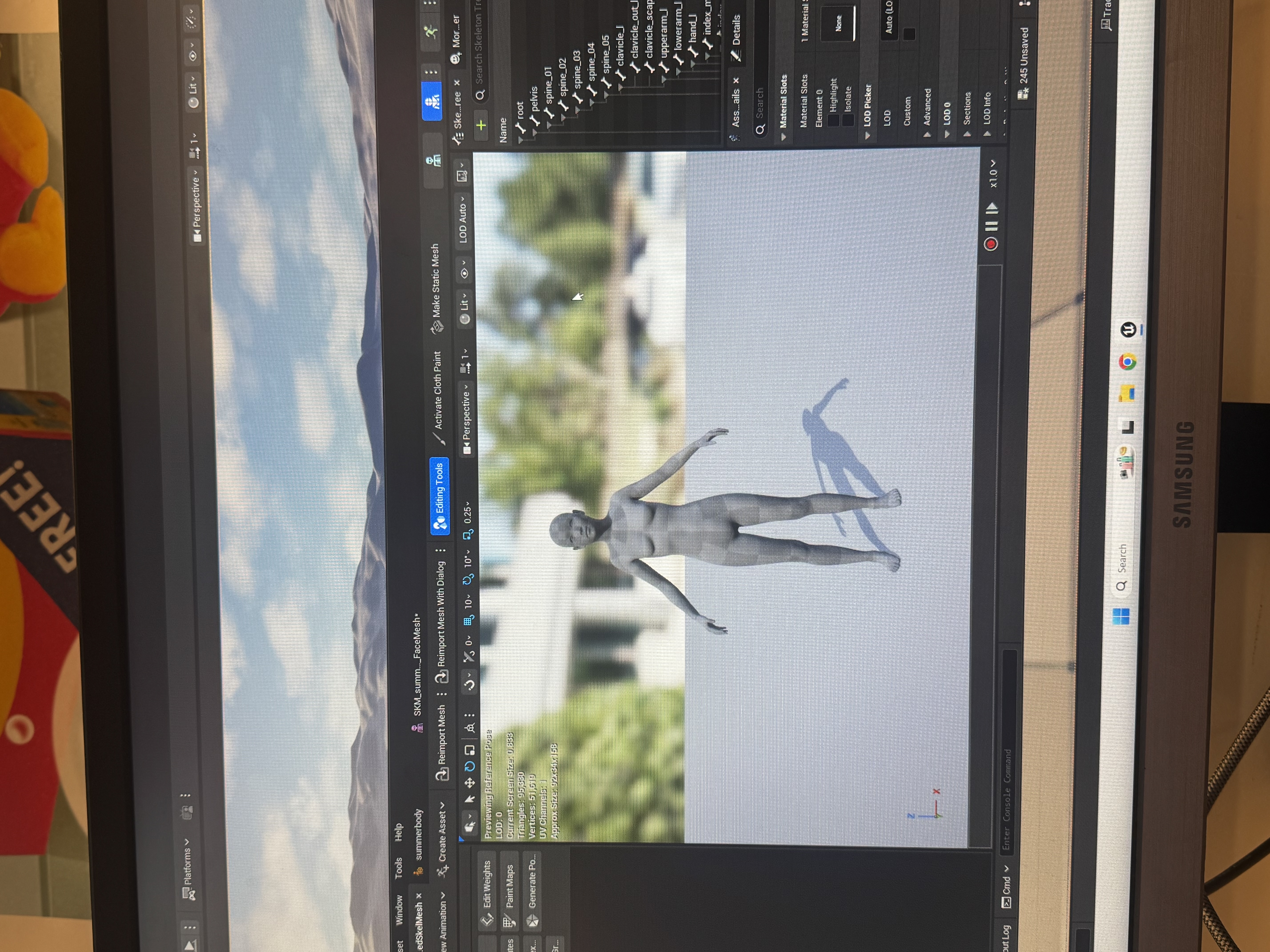
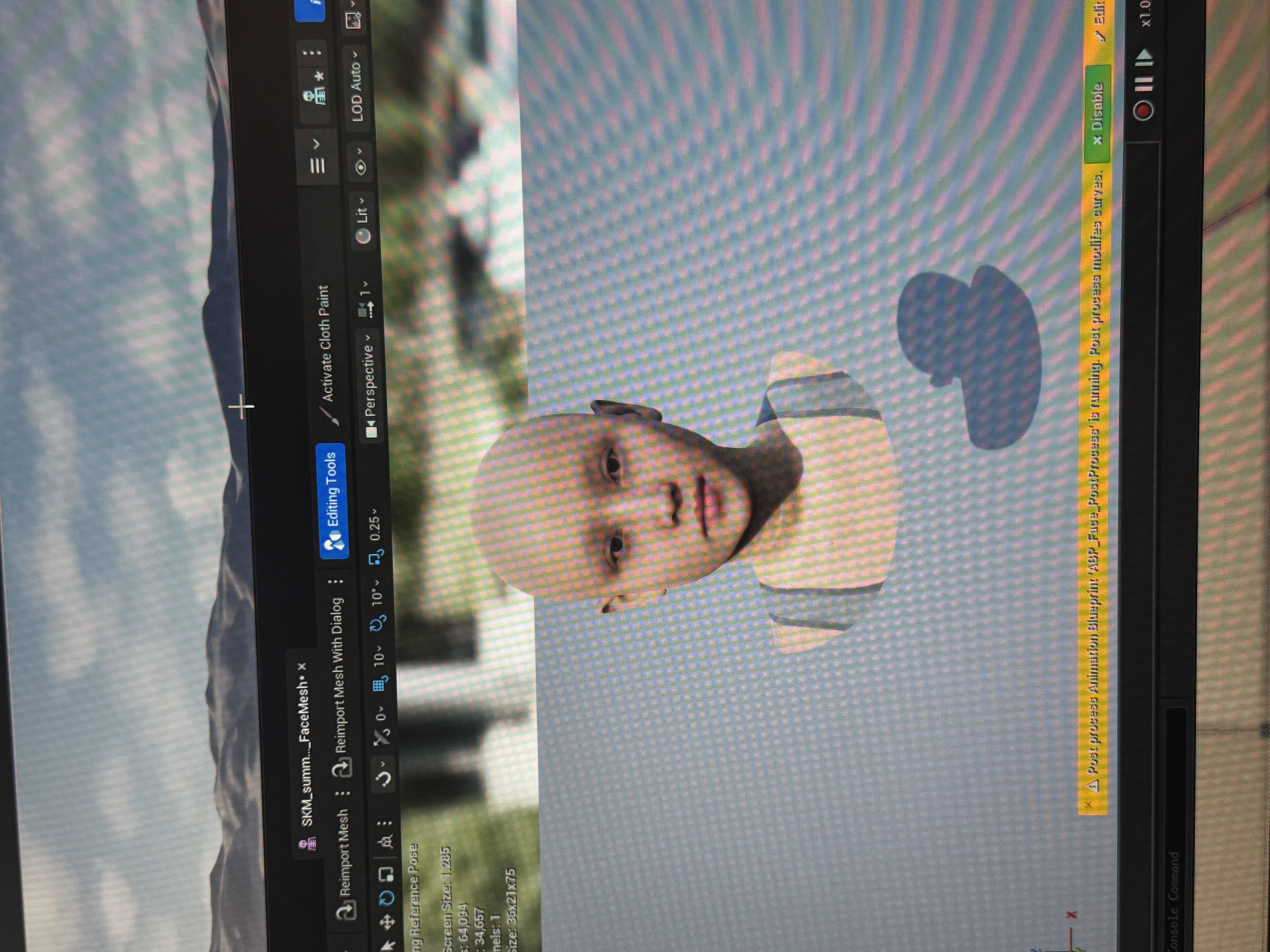
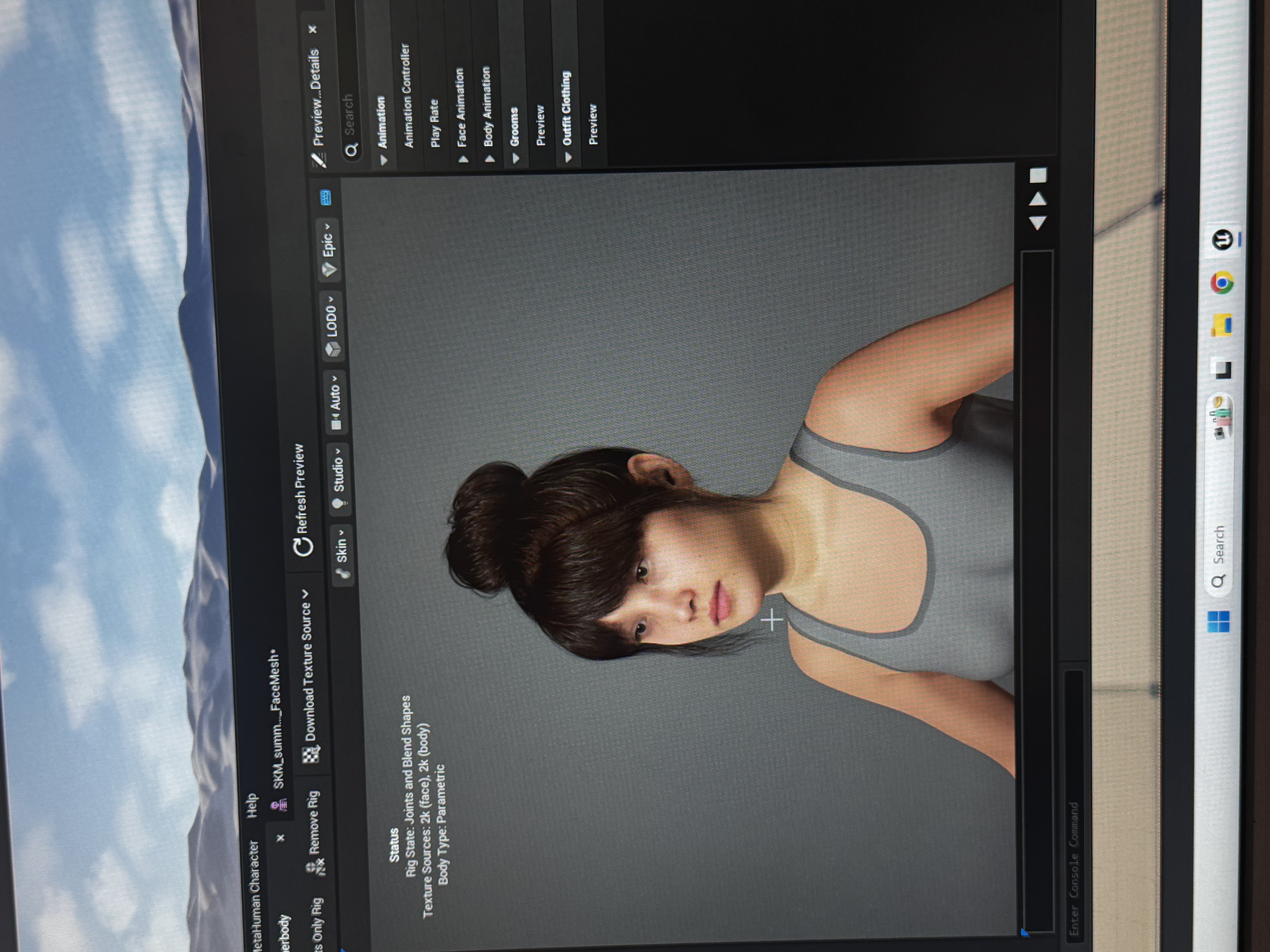
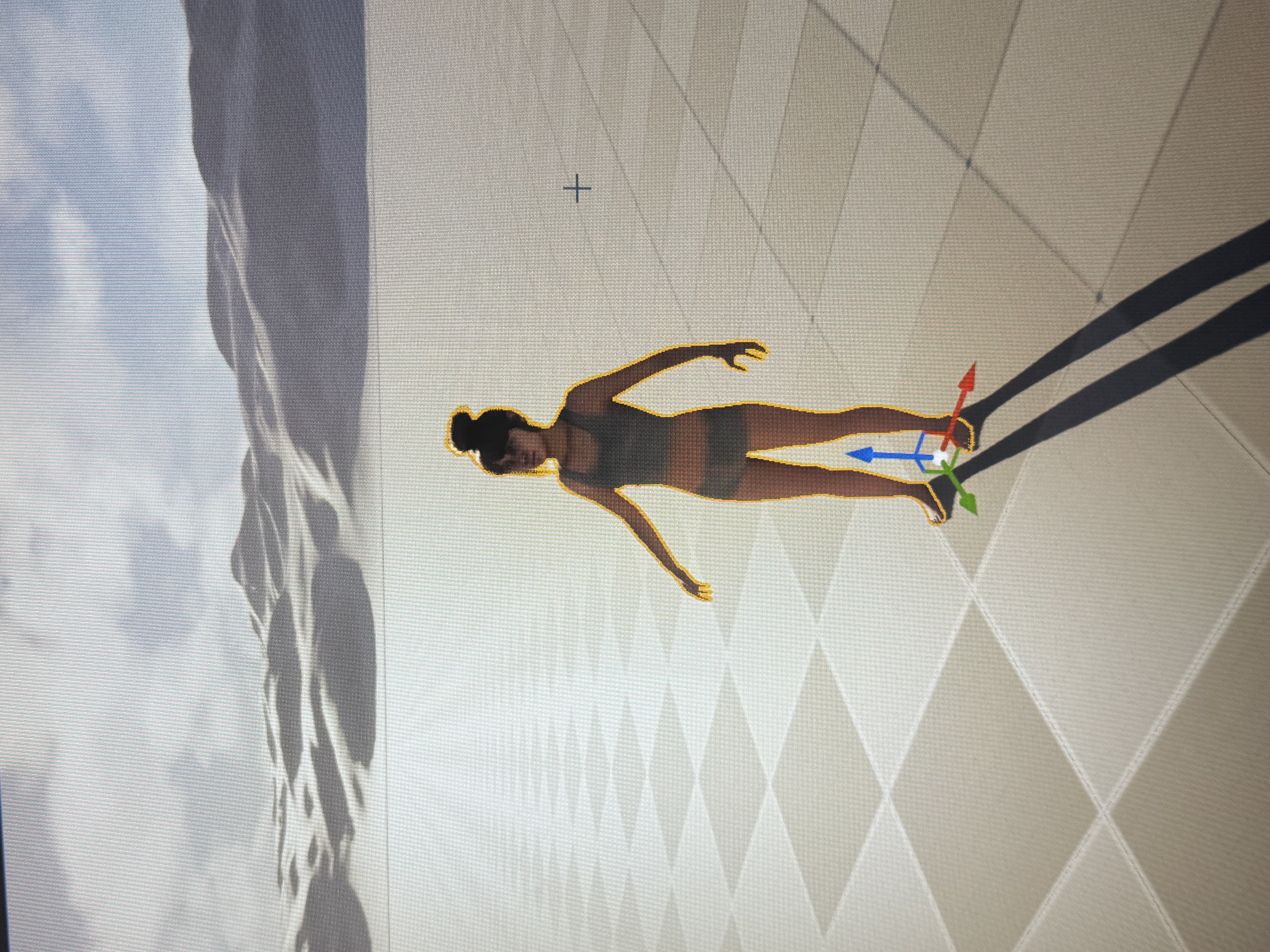
Motion Capture using OptiTrack and Motive pipeline
move lists :
-bench press -burpees -curls -deadlift -lunge -plank -pushup -Russian twists -squat -step up
What does your preproduction process entail?
My preproduction process focuses on laying a strong foundation before anyone steps into the mocap space. This includes defining the goals of the shoot, identifying which movements we want to capture, and breaking them down into a clear move list. I also make sure to review reference videos of the movements and create a basic storyboard of how the actions will flow. Preproduction is essentially about making sure the creative plan and the technical setup are aligned so the session can run smoothly without wasting time.
For the storyboards, I considered how the presence of three different actors (a male gym enthusiast, a female gymnast, and a female with little gym experience) gave me more flexibility in building scenes. Some scenes featured two actors, while others included all three, allowing each movement to carry its own narrative. In certain sequences, one performer even played the role of a personal trainer, correcting posture and encouraging the workout. This layering of roles and perspectives helped make the captured movements feel more dynamic and story-driven.
What equipment, setup, performer prep, and props or costumes do you need?
I focused on figuring out the production pipeline, gathering the right props (like step-up boxes and dumbbells), and making sure the performers were prepared. Casting was important: one of my friends who is a professional athlete offered to be our actor, and another friend who knows gym workouts really well also participated. We scheduled times that worked for everyone and watched tutorials beforehand so the production session would run efficiently. Preparing the performers included giving them a heads-up about how motion capture works, what markers or suits they would wear, and making sure they felt comfortable moving in the space.
Who could you collaborate with — peers, artists, community members, movement practitioners, choreographers, or experts — to help ensure that your move list is accurate and represented with sensitivity?
I collaborated with the right performers: my friend who is a professional athlete, who brought both precision and physical awareness to the role, and another friend who is a gym enthusiast and understands the details of workout movements. In the future, I could also collaborate with fitness trainers or choreographers to refine the movements and ensure they are not only accurate but also culturally and contextually sensitive to how bodies move in real-life practice.
What types of movements would work best with an optical motion capture system such as OptiTrack?
Optical motion capture systems like OptiTrack work best with large, dynamic movements that can be clearly tracked by the cameras. For example, exercises like squats, lunges, push-ups, or box jumps are ideal because the full-body motion is visible and not hidden behind props. Movements that involve smooth transitions, repetition, or extended limb motions also track more reliably. Very small or subtle gestures, or actions where body parts overlap and block the markers, can be more difficult to capture accurately.
How does preservation or erasure factor into your project and approach to motion capture?
Preservation plays a key role in my project because motion capture allows us to record and archive authentic human movement in a precise, digital format. For instance, preserving the exact form of a professional athlete doing a workout creates a valuable reference for training, education, or future creative work. On the other hand, erasure comes into play when the capture process reduces the individuality of the performer—flattening their unique style into just data points. My approach is to balance these: preserving the accuracy and intent of the movement while being mindful not to erase the personal context and human qualities behind the data.